

🔹 What Is Reverse Psychology and Why Does It Work?
The Psychological Principle Behind Reverse Psychology
Reverse psychology is a form of psychological influence where you encourage someone to do the opposite of what you actually want them to do. It works by leveraging a psychological principle known as reactance. Reactance is a natural response that occurs when people feel their freedom to make choices is being restricted. When someone believes they are being told what to do, they instinctively resist and choose the opposite action to reassert their independence.
In relationships, this principle is particularly powerful. People do not like to feel controlled, and when they perceive an attempt to manipulate them directly, they often push back. However, when the influence is subtle and indirect, their natural response is to gravitate toward the behavior that was originally desired.
For example, if you tell your girlfriend, “You probably wouldn’t like this movie, it’s too intense,” her immediate response might be curiosity and a desire to prove you wrong by watching it. This subtle method allows you to guide her choices without making her feel pressured or forced.
Why People React to Reverse Psychology in Relationships
Reverse psychology works particularly well in romantic relationships because attraction is deeply tied to emotions rather than logic. When a person feels they are making decisions on their own, they are more likely to stand by those decisions with confidence. This is why people often defend choices they make independently more than choices they feel were imposed upon them.
Some of the reasons why reverse psychology is effective in relationships include:
- It triggers curiosity – When someone is told they should not or cannot do something, they become more interested in doing it.
- It enhances perceived control – Instead of feeling manipulated, your girlfriend will feel she is making independent choices, even if she is subtly influenced.
- It shifts the power dynamic – If you appear too eager, you risk reducing your perceived value. Reverse psychology keeps you in control without appearing needy.
- It makes interactions more engaging – Playfully challenging or setting up small, indirect tests creates an exciting dynamic in the relationship.
Understanding how and when to use reverse psychology in relationships can help strengthen attraction and create a dynamic where your girlfriend is naturally drawn toward you rather than feeling pushed away.

🔹 The Do’s and Don’ts of Reverse Psychology in Relationships
When to Use Reverse Psychology for Maximum Effect
Reverse psychology is most effective when used in situations where your girlfriend naturally has a tendency to resist direct influence. It works particularly well when she is indecisive, when you want to build curiosity, or when you want to subtly guide her into making a decision on her own.
Here are the best situations for using reverse psychology effectively:
- When she is unsure about something – Instead of directly trying to persuade her, suggest the opposite of what you want and let her reach her own conclusion.
- When you want her to initiate something – If you always take the lead, using reverse psychology can encourage her to take more initiative.
- When she is resistant to an idea – Instead of trying to convince her directly, playfully suggest the opposite and let her naturally come to the right decision.
- When you want to keep attraction and mystery alive – A slight element of unpredictability can enhance attraction, making her feel more emotionally engaged in the relationship.
The Common Mistakes That Make It Backfire
While reverse psychology can be a powerful tool, misusing it can create unnecessary tension or even damage the relationship. If your girlfriend starts feeling like she is being manipulated, it will trigger resentment rather than attraction.
Here are some common mistakes to avoid when using reverse psychology:
- Being too obvious – If your girlfriend realizes what you are doing, it will lose effectiveness and may even backfire.
- Using it too often – If every interaction feels like a psychological game, it can create emotional fatigue rather than attraction.
- Applying it in emotionally charged situations – Reverse psychology works best in lighthearted or neutral situations, not during serious arguments or emotional conversations.
- Trying to force an outcome – The key is subtlety. If your girlfriend feels she is being pushed into a decision, she may resist even more.
The best approach is to use reverse psychology selectively, ensuring that it remains a playful and engaging dynamic rather than a manipulative tactic.
Are You Prepared to Take Action Now and Start Creating the Life You Want?
No Thanks, I’m Enjoying watching others win the women I like! 😀
🔹 Step-by-Step Guide to Using Reverse Psychology on Your Girlfriend
Step 1: Creating the Right Scenario for Reverse Psychology
Reverse psychology is not something you can use randomly—it needs to be applied in the right context for it to work effectively. The key to success is identifying situations where your girlfriend is naturally inclined to resist direct influence. These include decision-making, emotional responses, and attraction-building moments.
Before applying reverse psychology, consider:
- Her personality type – If she is naturally independent and dislikes being told what to do, she will be more responsive to reverse psychology.
- The current emotional climate – If she is feeling pressured or defensive, applying reverse psychology might backfire.
- The nature of the decision – Reverse psychology works best when you genuinely do not mind either outcome but have a preferred choice.
For example, if you want her to agree to go out for dinner but she is being indecisive, instead of saying, “Let’s go out,” try, “You probably don’t feel like going out tonight. That’s fine, we can just stay in.” If she was on the fence, this statement triggers a desire to prove you wrong, making her more likely to say, “Actually, I think I do want to go out.”
Step 2: Using Scarcity and Indifference to Shift Power Dynamics
People value things that seem scarce or difficult to obtain. When something is always available, it loses its perceived importance. In relationships, showing a sense of emotional independence and slight indifference can create a powerful psychological pull.
One effective way to use this is through controlled detachment:
- Be less available at times – If you are always the one initiating conversations or making plans, subtly shift the balance by waiting for her to take the lead.
- Use playful withdrawal – If she seems disengaged or uninterested, instead of seeking attention, casually excuse yourself from the interaction. This often triggers curiosity and a desire to pull you back in.
- Frame things as if she is making the choice – Instead of saying, “I wish you would call me more,” say, “I like when you reach out first. It makes me feel like you really want to talk.”
When she senses that you are not constantly seeking validation or chasing her attention, she will subconsciously start investing more in the relationship to maintain her sense of importance.
Step 3: Framing Your Words to Trigger the Right Response
The way you phrase things plays a crucial role in how your girlfriend will respond. Instead of telling her what you want directly, phrase your words in a way that encourages her to take action on her own terms.
Here are some practical ways to frame statements using reverse psychology:
- Instead of: “You should wear that dress tonight.”
Say: “You probably won’t wear that dress tonight, will you? It’s probably too much effort.”
🚀 This triggers the desire to prove you wrong.
- Instead of: “I really want you to come to my event.”
Say: “It’s okay if you can’t make it, I wouldn’t want you to feel obligated.”
🚀 This makes her feel like she has control over the decision and increases the likelihood that she will want to go.
- Instead of: “Why don’t you text me first for once?”
Say: “I like when you text me first, but I know you probably prefer me taking the lead.”
🚀 This makes her want to prove she is different from what you assume.
The key is to plant an idea without making it seem like a demand. This allows her to feel like she is making an independent choice while still moving in the direction you wanted.
Final Thoughts on Using Reverse Psychology Effectively
Reverse psychology is a powerful tool when used in the right scenarios. By understanding her natural responses and subtly guiding her choices, you can create a dynamic where she is more engaged, invested, and emotionally connected.
The most important thing is to use these techniques with good intentions. If your goal is to strengthen attraction, encourage better communication, or deepen the connection, reverse psychology can be a fun and effective way to create a more exciting and balanced relationship.

🔹 Reverse Psychology Tactics That Work in Different Relationship Scenarios
How to Make Your Girlfriend Want You More
One of the most effective ways to maintain attraction in a relationship is by creating a sense of emotional tension. If your girlfriend always feels like she has you completely, she may begin to take you for granted. Reverse psychology can be used to reignite her desire and make her put in more effort to keep your attention.
Here are some proven tactics to make her want you more:
- The Push-Pull Effect – Instead of constantly giving her attention, alternate between moments of closeness and moments where you become slightly distant. This unpredictability makes her crave your presence more.
- Controlled Indifference – If she assumes you are always available, subtly break that pattern. For example, if she cancels plans, instead of showing disappointment, say, “No worries, I had other things to do anyway.” This removes any sense of guilt and makes her wonder what else you have going on.
- Framing Independence as Attractive – Instead of seeking validation from her, make it clear that you have your own life. Statements like, “I love spending time with you, but I also enjoy my own space,” reinforce your confidence and independence, making you more desirable.
How to Get Her to Initiate Plans and Attention
If you are always the one making plans and leading conversations, you may want to shift the dynamic so that she starts initiating more. Reverse psychology can help by making her feel like she has to step up.
To encourage her to take more initiative:
- Stop Being the First to Text – If she is used to you always reaching out first, create a small shift by letting her take the lead sometimes. If she asks why you haven’t texted, casually respond, “I figured you were busy, and I didn’t want to interrupt.”
- Use Playful Challenge – Say something like, “I’m always the one making plans. I wonder if you’d ever surprise me with a date night idea.” This plants the idea while making her feel like she is being subtly tested.
- Show Excitement When She Does Initiate – Reinforce her behavior by making her feel valued when she puts in effort. A simple “I love it when you make the plans, it makes things more fun” will make her want to do it more often.
How to Win an Argument Without Being Confrontational
Disagreements are a natural part of any relationship, but how you handle them can determine the outcome. Instead of engaging in direct confrontation, reverse psychology can be used to get your girlfriend to see your perspective without resistance.
Here’s how:
- Agree with Exaggeration – If she is upset about something small, instead of arguing, say something like, “You’re right, I should probably never make any decisions again without asking you first.” This lighthearted exaggeration often makes her rethink the severity of the situation.
- Let Her Have the Final Word – If she insists on something, respond with, “You’re probably right, and I’ll think about it.” This lowers her defenses, making her more likely to reflect on your point of view later.
- Use the “I Understand” Approach – Instead of directly disagreeing, say, “I completely understand why you feel that way, and maybe you’re right.” This shows empathy, which often makes her more open to seeing your side.
Final Thoughts on Using Reverse Psychology in Different Scenarios
Reverse psychology is not about manipulation—it is about understanding human nature and using it to create positive dynamics in your relationship. When used correctly, it helps balance power, maintain attraction, and improve communication.
The most important rule is to ensure that it remains lighthearted and respectful. If you use these techniques with good intentions, they can lead to a stronger, more engaging, and emotionally fulfilling relationship.
🔹 The Science Behind Reverse Psychology: Why It Works on the Female Mind
Understanding Psychological Reactance
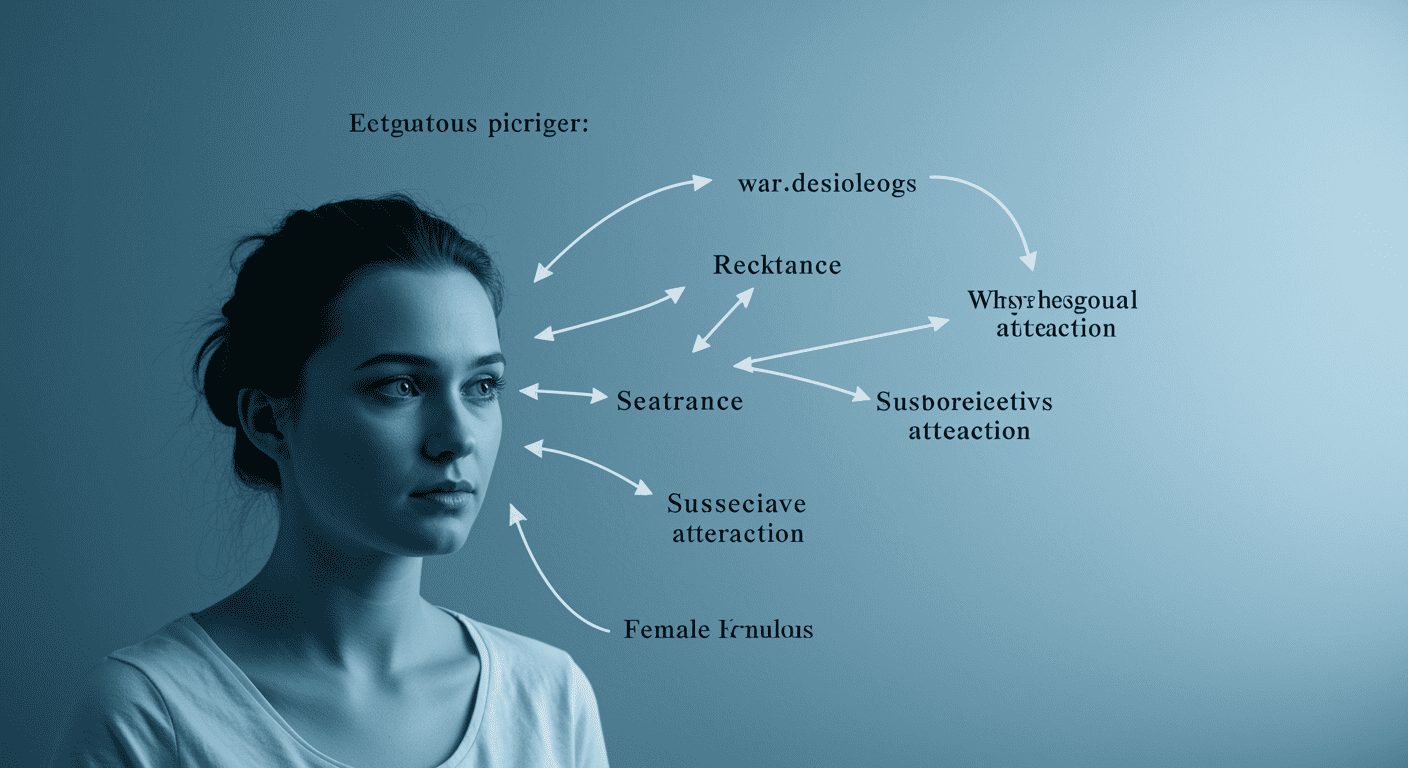
Reverse psychology works because of a psychological phenomenon known as reactance. This concept, studied extensively in behavioral psychology, explains why people resist being told what to do. When someone feels that their autonomy is being threatened, they instinctively push back, often choosing the opposite action just to reassert their control.
In relationships, this means that if a woman perceives that she is being pressured or coerced into a decision, she is more likely to reject it. However, if the suggestion is framed in a way that makes it seem like she is making an independent choice, she is more likely to adopt the behavior willingly.
How the Female Brain Responds to Reverse Psychology
Women tend to be more emotionally intuitive and socially aware than men, which means they often recognize direct influence attempts quickly. However, when reverse psychology is applied subtly, it works by bypassing the logical mind and triggering subconscious responses.
The female brain processes emotions and decision-making differently due to the higher connectivity between the limbic system (responsible for emotions) and the prefrontal cortex (responsible for decision-making). This makes emotional contrast, curiosity, and independence key factors in attraction. Reverse psychology leverages these elements to create a sense of mystery and emotional engagement.
The Role of Scarcity and Perceived Value
Another reason reverse psychology is so effective is because of the principle of scarcity. People tend to assign more value to things that appear rare, difficult to obtain, or at risk of being lost. If a man constantly seeks validation, he appears overly available, which reduces his perceived value. However, by using psychological scarcity, such as controlled emotional distance or a shift in availability, he triggers a subconscious need in his girlfriend to seek his attention and reaffirm the connection.
Understanding these psychological principles allows reverse psychology to be applied effectively without coming across as manipulative.
🔹 The Best Reverse Psychology Phrases to Use in Different Situations
To Make Her Want You More
- “I don’t think you’re the type who gets attached easily.” – This statement challenges her subconscious and makes her want to prove otherwise.
- “You’re probably too busy to think about me anyway.” – This creates a contrast, making her reflect on whether that is true.
- “I feel like you’re trying really hard not to like me.” – This playfully plants the idea that she does like you.
To Get Her to Initiate Plans
- “I don’t expect you to plan anything. That’s usually my job.” – This makes her want to take the initiative to prove she is different.
- “It would be interesting if, for once, someone surprised me with plans.” – This subtly invites her to take action without demanding it.
- “I never really expect you to make the first move.” – A simple challenge that sparks curiosity and engagement.
To Influence Her Decisions
- “I don’t think you’d enjoy this movie, but I’ll watch it alone.” – This makes her feel intrigued and more likely to want to watch.
- “You’re probably not in the mood to try something different today.” – By assuming disinterest, it increases the chance that she will want to do the opposite.
- “I doubt you’d be open to trying something new, but that’s fine.” – A simple way to trigger curiosity and resistance.
🔹 How to Subtly Test If Reverse Psychology Works on Your Girlfriend
Testing Her Reaction to Scarcity
One way to see if reverse psychology works on your girlfriend is to subtly reduce your availability and observe her response. Instead of always initiating conversations or being the first to make plans, take a small step back and see if she notices.
If she starts reaching out more, asking where you have been, or making an effort to engage, it is a sign that she is responding to the psychological shift.
Using Playful Disinterest
Another way to test her response is to express playful disinterest in something she likes. For example, if she is excited about a new restaurant and you say, “That place seems overrated, but I’m sure it’s fine,” watch her reaction. If she suddenly becomes more enthusiastic about convincing you to go, it means she is responding to the challenge.
Seeing How She Reacts to Reverse Framing
Try using statements that subtly invite her to prove you wrong. For example, if she is hesitant about a decision, say, “I’m not sure if you’re really the kind of person who likes adventure.” If she reacts by proving otherwise, then reverse psychology is an effective tool for her.

🔹 How Reverse Psychology Affects Long-Term Relationships
Maintaining Attraction Over Time
Attraction in a long-term relationship requires a balance between emotional security and excitement. If a relationship becomes too predictable, attraction can decrease. Reverse psychology, when used correctly, helps maintain a sense of intrigue and playfulness.
For example, instead of always being the first to say “I love you” or initiate affection, sometimes holding back and waiting for her to take the lead can reinforce her emotional investment.
Encouraging Growth and Independence
Healthy relationships are built on mutual independence. Reverse psychology can be used to encourage your girlfriend to pursue personal growth. Instead of directly pushing her to try new things, frame it differently. For example, “You don’t have to try yoga with me, I know it’s not really your thing” can make her more inclined to challenge that assumption.
Keeping Communication Engaging
Conversations in long-term relationships can become repetitive. Using playful reverse psychology can add excitement. If she asks for your opinion on something, instead of answering directly, say, “I’m not sure if you’re ready to hear my honest opinion.” This adds intrigue and keeps interactions dynamic.
When used in a balanced and respectful way, reverse psychology keeps a long-term relationship fresh and engaging.

🔹 Ethical Considerations – When Not to Use Reverse Psychology
The Fine Line Between Influence and Manipulation
While reverse psychology can be a powerful tool for improving attraction and communication, it is crucial to use it ethically. The difference between influence and manipulation lies in intent. If your goal is to enhance the relationship and create a more engaging dynamic, reverse psychology can be beneficial. However, if it is used to control, deceive, or emotionally manipulate, it can cause long-term harm.
Relationships should be built on mutual respect and trust. If your girlfriend begins to feel like every interaction is a psychological game, she may start to lose confidence in the authenticity of the relationship. It is essential to ensure that your actions are not creating unnecessary emotional distress.
Situations Where Reverse Psychology Should Not Be Used
There are specific moments in a relationship where using reverse psychology can be counterproductive or even damaging. Below are situations where it is best avoided:
- During Serious Emotional Conversations – If your girlfriend is opening up about something deeply personal or emotionally heavy, do not use reverse psychology. Instead, practice active listening and empathy.
- To Force Her Into a Decision – If she is hesitant about something important, using reverse psychology to manipulate her into agreeing could create resentment in the long run.
- When She Is Already Insecure – If your girlfriend struggles with self-doubt or emotional insecurity, applying psychological pressure could make her feel worse instead of strengthening the relationship.
- To Punish or Create Jealousy – Some people attempt to use reverse psychology to make their partner jealous by acting indifferent or overly detached. This can backfire by creating distance instead of attraction.
Why Honesty and Emotional Intelligence Are Key
The most successful relationships are based on open communication and emotional intelligence. Reverse psychology should be used sparingly and with the goal of adding fun and intrigue to interactions rather than as a primary method of control.
One of the best ways to ensure that you are using reverse psychology in a healthy way is to ask yourself: “Is this making our relationship stronger, or is it creating emotional confusion?” If it is the latter, it is best to rely on direct and honest communication instead.
Final Thoughts on Ethical Use of Reverse Psychology
When used correctly, reverse psychology can be an excellent way to make your relationship more exciting and dynamic. However, it should always be used with good intentions. If your goal is to build a deeper connection and encourage positive behavior, then subtle use of reverse psychology can be effective. But if it is ever used to manipulate, control, or deceive, it risks damaging the trust that is essential for a strong relationship.
By combining emotional intelligence with psychological influence, you can create a relationship that is both exciting and built on genuine trust and mutual respect.

🔹 Frequently Asked Questions (FAQs)
Does reverse psychology really work on women?
Yes, reverse psychology can be highly effective on women, especially when applied subtly. It works because of a psychological principle called reactance, where people naturally resist being told what to do. By suggesting the opposite of what you want, you trigger an instinctive desire to assert independence, often leading to the outcome you originally intended.
When should I use reverse psychology in a relationship?
Reverse psychology works best in situations where your girlfriend is indecisive, when you want to spark her curiosity, or when you want her to take more initiative in the relationship. It should be used sparingly and only in lighthearted contexts, such as encouraging her to make plans, increase attraction, or influence small decisions.
Can reverse psychology backfire?
Yes, if used too frequently or in emotionally charged situations, reverse psychology can make your girlfriend feel manipulated. If she realizes what you are doing, she may either resist more or lose trust in your intentions. The key to using it effectively is to ensure it feels natural and playful rather than calculated.
Is reverse psychology manipulative?
It depends on how it is used. When applied with good intentions—such as making the relationship more dynamic, encouraging independence, or adding playfulness—it is a harmless psychological technique. However, if used to control, deceive, or pressure someone into decisions they do not want to make, then it crosses into manipulation and should be avoided.
What are the best reverse psychology tactics for attraction?
Some of the best tactics include:
- Playful Disinterest: Making subtle comments that challenge her to prove you wrong.
- Scarcity: Becoming slightly less available to increase your perceived value.
- Framing Challenges: Saying things like, “You probably wouldn’t do this,” which sparks curiosity and engagement.
- Controlled Indifference: Showing that you are confident whether or not she gives you attention, making her want to earn it.
These techniques work best when used in moderation and with a playful attitude.
Can I use reverse psychology to fix a relationship?
While reverse psychology can help reignite attraction and balance power dynamics, it is not a solution for deeper relationship issues. If a relationship is struggling due to trust issues, communication breakdowns, or emotional disconnection, direct and honest discussions are more effective than psychological tactics.
No, I’ll just keep doubting myself!!
Are You Ready to Gain Control Over Your Dating Life TODAY?
🔹 Conclusion: Mastering Reverse Psychology for a Stronger Relationship
Reverse psychology is an effective tool when used correctly, helping to increase attraction, improve communication, and create a more engaging relationship dynamic. It works by leveraging natural psychological responses, such as reactance and scarcity, to encourage desired behaviors without direct confrontation.
To summarize, here are the key takeaways:
- Use Reverse Psychology Sparingly – Overuse can lead to distrust and emotional fatigue.
- Apply It in Playful and Lighthearted Ways – It should add fun and intrigue, not stress.
- Never Use It to Manipulate – Ethical use is essential to maintaining a healthy relationship.
- Balance It with Direct Communication – Reverse psychology should complement, not replace, open discussions.
- Test and Observe – Different people respond differently to psychological techniques, so adjust based on her reactions.
When used with good intentions, reverse psychology can help keep the relationship dynamic and exciting. However, true connection comes from mutual trust, respect, and understanding.
For further reading on relationship psychology, check out these expert resources:
- The Science of Attraction – Psychology Today
- How Emotional Conditioning Affects Attraction – NCBI
- The Psychology Behind Romantic Desire
By integrating both psychological techniques and emotional intelligence, you can create a relationship that is not only fun and engaging but also deeply fulfilling.


